
Describe the property
Send the location, symptoms, equipment and access details. State whether the work is a repair, replacement or planned project.
Need plumbing help in Ajax? Tell us about the leak, blocked drain, fixture or water heater. A responding provider will confirm coverage and availability before booking.
Get A Free QuoteCompare tank and tankless options using the existing fuel, vent route, household demand and available space. Check the data plate and ask what removal, connection changes and approvals the installation scope includes.
View scopeRecurring clogs may involve buildup, roots, construction debris or a damaged line. Note affected fixtures and ask whether mechanical cleaning, jetting or a camera inspection fits the pipe material and blockage history.
View scopeIf a home has galvanized supply piping, compare whole-home PEX and copper scopes. Ask how mixed materials, concealed runs, fixture shutoffs, room access and water-restoration timing will be handled.
View scopeMeasure spaces and photograph connections before choosing fixtures. For older finishes, discuss protection during removal; for basement bathrooms, confirm drainage, venting, layout and applicable approvals.
View scopeRecord when and where dampness appears, then compare appropriate thermal, acoustic or pressure-isolation investigation. If a long side-yard line may be involved, ask how its route and suspected failure will be checked.
View scopeCompare pump capacity and battery backup using pit behaviour, equipment details and discharge routing. If sewer surcharge has occurred, ask whether a mainline backwater valve is suitable and what access and approvals it needs.
View scopeUse water testing to assess whether softening fits scale concerns, and compare filtration systems for a defined drinking-water goal. Check mechanical-room space, bypass access, drains and cartridge maintenance before selecting equipment.
View scopeWater treatment choices depend on what you want to change and what is measured at the property. If scale marks appear on fixtures or appliances, note where they occur and ask whether a water test can establish hardness before selecting a softener. For drinking water preferences, compare under-sink filtration with reverse osmosis and confirm which contaminants or taste concerns each system is designed to address. Photograph the mechanical-room layout and available drain and connections; space, bypass access and cartridge access affect installation and maintenance.
Compare tank and tankless options using the existing fuel, vent route, household demand and available space. Check the data plate and ask what removal, connection changes and approvals the installation scope includes. Recurring clogs may involve buildup, roots, construction debris or a damaged line. Note affected fixtures and ask whether mechanical cleaning, jetting or a camera inspection fits the pipe material and blockage history. If a home has galvanized supply piping, compare whole-home PEX and copper scopes. Ask how mixed materials, concealed runs, fixture shutoffs, room access and water-restoration timing will be handled.
Measure spaces and photograph connections before choosing fixtures. For older finishes, discuss protection during removal; for basement bathrooms, confirm drainage, venting, layout and applicable approvals. Record when and where dampness appears, then compare appropriate thermal, acoustic or pressure-isolation investigation. If a long side-yard line may be involved, ask how its route and suspected failure will be checked.
Compare pump capacity and battery backup using pit behaviour, equipment details and discharge routing. If sewer surcharge has occurred, ask whether a mainline backwater valve is suitable and what access and approvals it needs. Use water testing to assess whether softening fits scale concerns, and compare filtration systems for a defined drinking-water goal. Check mechanical-room space, bypass access, drains and cartridge maintenance before selecting equipment.
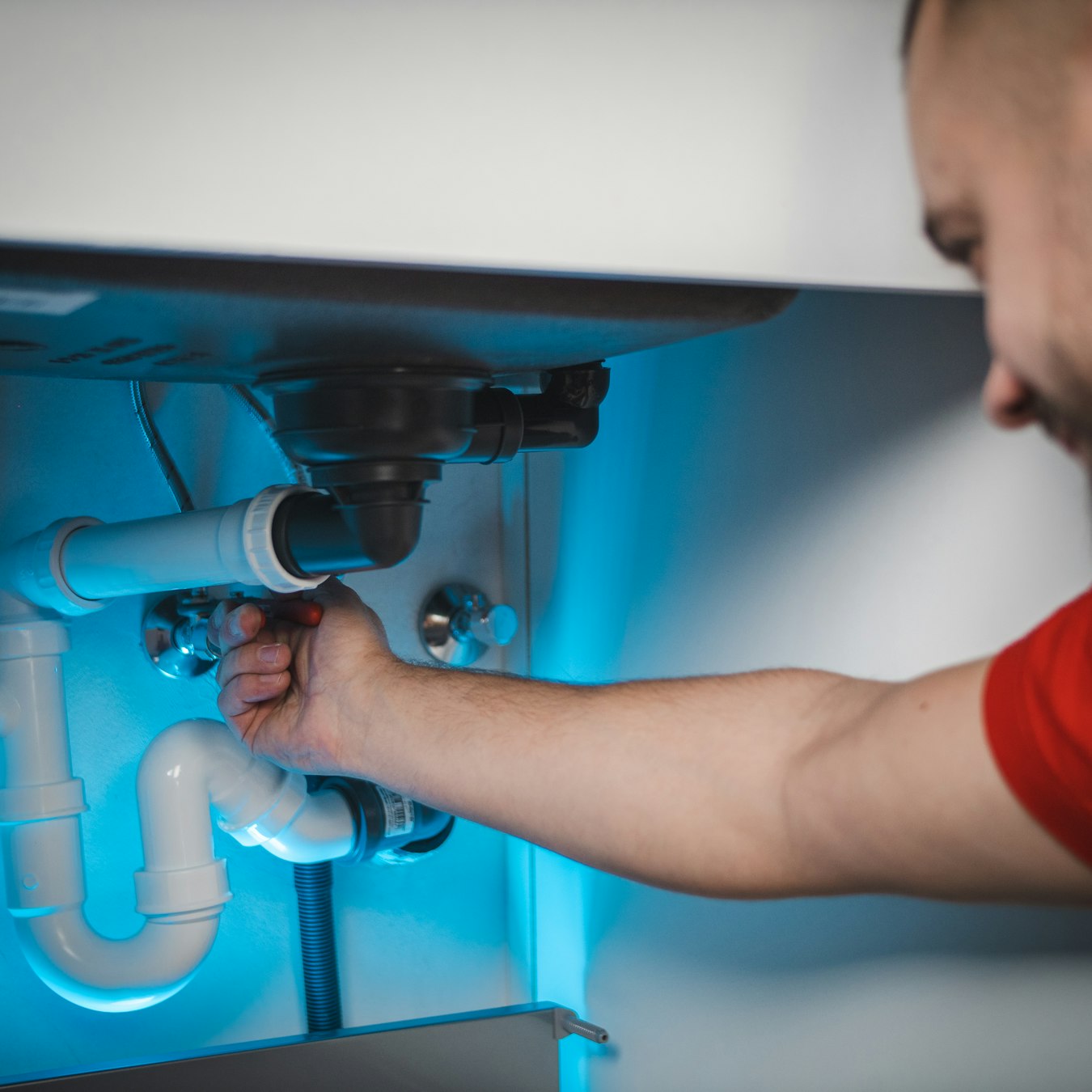
A recurring blockage can come from buildup inside a drain, roots entering a sewer line, a sag or break, or debris left in a newer installation. Note which fixtures drain slowly, whether several fixtures are affected and where backups appear, such as at a basement floor drain. If a property has older cast-iron or clay piping, ask whether descaling or root cutting is appropriate; if the line is newer, ask whether construction debris could be present. A camera inspection can help distinguish clearing from repair.
Explore this serviceSend the location, symptoms, equipment and access details. State whether the work is a repair, replacement or planned project.
The request is reviewed so the responding provider can clarify the work, property access and service coverage.
Agree the provider identity, qualifications, written scope, pricing and visit window directly. Sending a form does not confirm an appointment.
If inspection or known pipe history indicates scale inside older cast-iron or clay drains, ask whether mechanical descaling is suitable before or alongside jetting. The pipe’s material and condition affect the cleaning method and the risk of damaging a weakened section. Compare the proposed equipment and scope rather than assuming every line should receive the same treatment.
If an older home has galvanized piping, ask the scope to identify visible materials, mixed-material patches and any runs that cannot be seen without access openings. Check whether symptoms occur throughout the home or only in one branch. This information helps compare a localized repair with full replacement and reduces the chance of overlooking a buried or concealed section.
For a basement bathroom or suite, ask how the proposed fixture positions connect to drainage and venting, and what inspection or approval requirements apply. Compare the plan with the existing rough-in locations and note any changes to walls or floors. These details affect both the plumbing scope and whether the intended layout is feasible.
Look for corrosion, moisture, restricted access and the condition of visible piping around the heater. If the room is damp or the unit is near exterior walls, ask how the proposed equipment and connections suit those conditions. A photograph of the room and vent termination can help clarify whether relocation or additional work should be considered.
If dampness appears near pipes, walls or a floor, record its location and whether it changes with rain, water use or ventilation. Thermal imaging, acoustic listening and pressure isolation can help test different explanations. Ask what each test can establish and how the findings will be used, so any opening or repair targets a supported source.
Use the form to describe the property, the symptoms and the work requested. For Pickering, Whitby, Greenwood, Brougham, include your postal code so local coverage can be checked.